
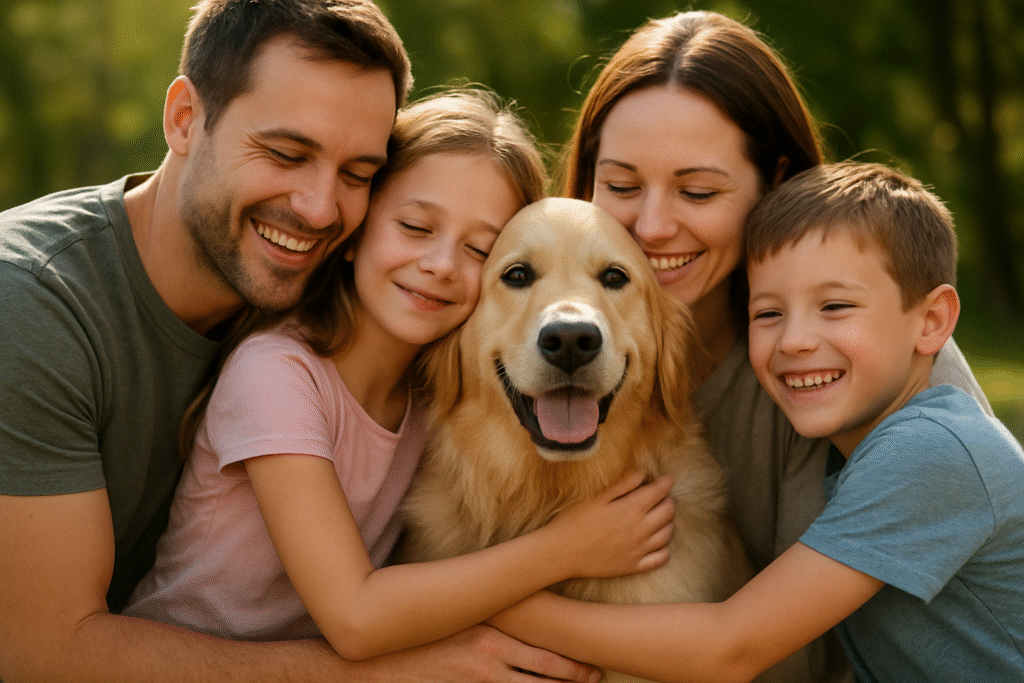
If you’ve ever looked into your dog’s eyes and felt an instant wave of love, you’re not imagining it — there’s actual science behind that connection. From tail wags and cuddles to loyalty that never fades, dogs have an extraordinary ability to form deep emotional bonds with their humans. But how does it really work? Let’s dive into the fascinating science of a dog’s love and discover what makes this bond so special.
❤️ Dogs and Humans: A Love Story That’s Thousands of Years Old
The relationship between humans and dogs goes back more than 15,000 years, when wolves first began forming alliances with people. Over time, those early companions evolved into the loving, loyal dogs we share our homes with today.
Through generations of companionship, dogs have developed a biological and emotional connection with humans that rivals even our relationships with each other.
🧠 The Brain Chemistry of a Dog’s Love
When you pet or gaze lovingly at your dog, something incredible happens — both of your brains release oxytocin, often called the “love hormone.”
Studies have shown that:
- Dogs’ oxytocin levels increase when they make eye contact with their owners.
- Humans experience the same oxytocin boost — the same chemical released when bonding with a baby or loved one.
- This creates a mutual feedback loop of affection, strengthening your emotional connection.
In short, every cuddle, happy bark, or tail wag deepens the bond between you and your furry friend — on a chemical level.
👃 How Dogs Recognize and Remember Their Humans
Dogs don’t just love us emotionally — they’re wired to recognize us biologically.
A 2015 study using MRI scans revealed that a dog’s brain lights up when it smells its owner’s scent. Even after time apart, they remember and feel comforted by our unique smell.
That means when your dog snuggles your dirty hoodie or follows you from room to room, it’s more than affection — it’s science at work.
🐾 Emotional Intelligence: Why Dogs “Get” Us
Dogs have an incredible ability to read human emotions. They can sense when we’re sad, happy, anxious, or angry — often before we even speak.
Research shows dogs can distinguish between facial expressions and tone of voice, responding with empathy or excitement depending on your mood.
That’s why your pup curls up beside you when you’re upset or jumps for joy when you’re smiling — they’re emotionally attuned to you.
💬 How Dogs Communicate Their Love
Not every dog says “I love you” the same way, but their actions speak louder than words:
🐕🦺 Eye Contact: A dog that stares softly into your eyes is showing trust and affection.
🐾 Leaning or Touching: Pressing their body against yours is their version of a hug.
🐶 Following You Around: If your dog is your shadow, it’s because you’re their safe place.
🦴 Bringing You Toys: It’s not just playtime — it’s a gift from their heart.
Each of these gestures is a small but powerful sign of emotional attachment.
💖 Strengthening the Bond with Your Dog
Even though dogs naturally love their humans, you can nurture and deepen that connection through everyday actions:
- Spend quality time together: Walks, training, or just relaxing.
- Positive reinforcement: Reward trust and good behavior.
- Learn their language: Understanding their cues helps build mutual respect.
- Stay calm and consistent: Dogs thrive on routine and predictability.
- Physical affection: A simple belly rub or cuddle releases oxytocin for both of you.
Love to a dog is simple, genuine, and unconditional — and when we respond in kind, we create a lifelong bond that’s emotionally healing for both sides.
🧬 Final Thoughts
The love between a dog and human isn’t just a sweet idea — it’s proven by science. From oxytocin boosts to emotional empathy, dogs have evolved to love us deeply and instinctively. In return, we give them stability, affection, and purpose.
So the next time your dog curls up next to you or looks at you with those adoring eyes, remember — that’s not just cute behavior. It’s centuries of evolution and chemistry saying, “I love you.” ❤️