
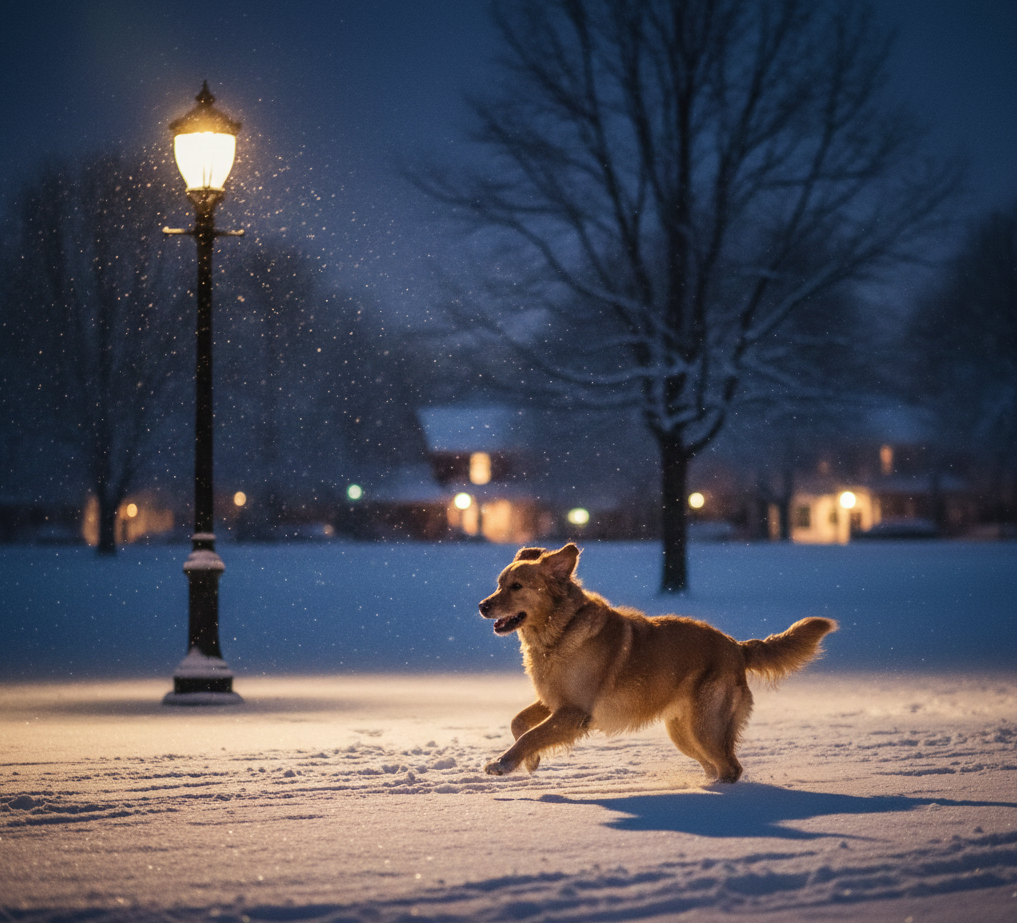
If your dog suddenly gets hyper, stares into the dark, refuses to settle, or races around the house like a furry lightning bolt right before bed—you’re definitely not alone. Many pet parents wonder why their normally calm pup turns into a nighttime mystery creature. The good news? There is a science behind these quirks, and understanding them can help you create calmer, happier evenings.
Let’s dive into what really happens inside your dog’s mind after the sun goes down.
🐕💨 What Are Night Zoomies?
Night zoomies—also known as FRAPs (Frenetic Random Activity Periods)—are sudden bursts of energy that cause dogs to sprint, bounce, twist, and spin like they’re powered by rocket fuel.
Why they happen:
- Unreleased energy from the day
- Stress release after a busy or overstimulating afternoon
- Natural canine instincts to be more active during dawn/dusk
Zoomies are normal, healthy, and often hilarious—as long as your dog isn’t showing signs of anxiety.
🌙 Why Dogs Act Different at Night
Dogs experience nighttime differently than humans. Here’s why they may act strange or more alert after dark:
1. A Dog’s Internal Clock Isn’t Like Ours
Dogs are naturally crepuscular, meaning they are most active at sunrise and sunset.
When nighttime hits, they may still have energy to burn—especially young dogs or high-energy breeds.
2. Nighttime Sounds Feel Louder
When the home quiets down, subtle noises become more noticeable:
- cars in the distance
- neighbors walking
- critters outside
- wind or settling house sounds
Dogs hear frequencies humans can’t, so these sounds can trigger curiosity… or alert mode.
3. Pent-Up Energy From the Day
If your dog didn’t get enough:
- exercise
- mental stimulation
- social interaction
They may choose nighttime to release the extra energy.
4. Anxiety & Separation Issues
Nighttime anxiety can show up as:
- pacing
- whining
- restlessness
- clinginess
- staring at walls or doorways
This is common in:
- rescue dogs
- dogs with fear triggers
- seniors with cognitive changes
5. Sensory Curiosity
Dogs see and smell better in low light than we do.
Nighttime = new scents, new shadows, new things to explore.
🛏️ Signs Your Dog’s Night Behavior Is Normal
Normal nighttime behavior includes:
- mild zoomies
- playing with toys
- following you around
- wanting late-night attention or cuddles
These are harmless and part of their natural rhythm.
⚠️ When You Should Pay Attention
Some behaviors may signal underlying issues:
- sudden fearfulness at night
- barking at “nothing” for long periods
- pacing or panting
- whining excessively
- confusion or staring into corners
- accidents in the house
Possible causes include:
- canine cognitive dysfunction (in seniors)
- anxiety
- vision changes
- pain or discomfort
If something feels “off,” it’s worth checking with your vet.
🧘♀️ How to Calm Your Dog at Night
If your dog gets extra wild or anxious after dark, these tips help create a peaceful evening routine:
1. Add an Evening Walk or Play Session
A little extra exercise + mental stimulation goes a long way.
2. Establish a Bedtime Routine
Dogs thrive on predictable structure. Try:
- dim lights
- soft music
- calming scents (lavender dog-safe sprays)
- chew time or puzzle toys
3. Offer Late-Night Mental Work
Puzzle toys, lick mats, or sniffing games help them settle.
4. Reduce Trigger Sounds
Try:
- a white noise machine
- closed windows
- curtains to block outdoor activity
5. Give Them a Cozy Sleep Spot
A comfortable, warm, quiet area helps signal bedtime.
🐾 Final Thoughts
Your dog’s nighttime quirks aren’t random—there’s real instinct, energy, and emotion behind them. Understanding their after-dark behavior helps you respond with patience, empathy, and smarter routines.
Whether your dog has zoomies at 9 PM sharp or gets a little spooked by nighttime noises, remember this:
A calm dog starts with a calm environment, consistent routines, and your reassuring presence.