
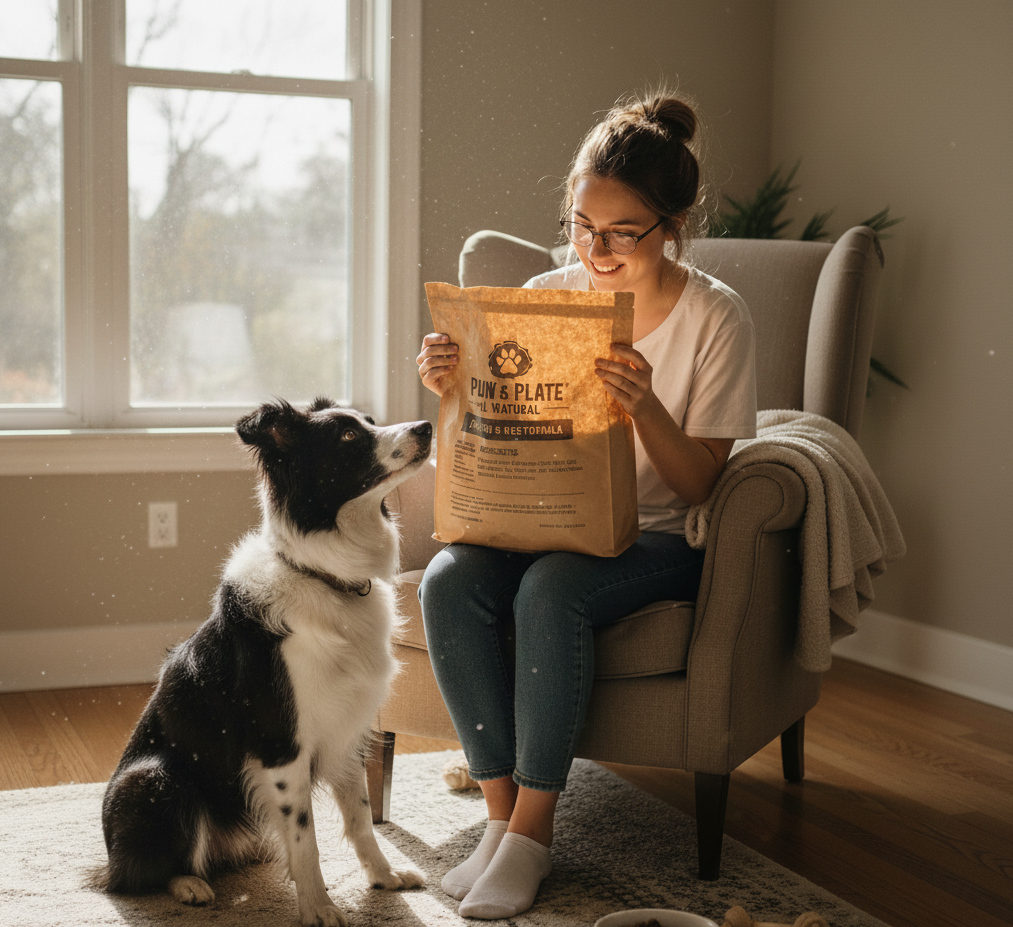
When it comes to feeding your dog, choosing the right food can feel overwhelming. With countless brands claiming to be “premium,” “natural,” or “grain-free,” it’s easy to get lost in marketing buzzwords. But here’s the truth — understanding how to read dog food labels is the most powerful way to make sure your pup is getting high-quality nutrition.
Once you know what to look for (and what to avoid), you’ll shop like a pro and never fall for clever packaging again.
🥩 1. Start with the Ingredient List
The ingredient list tells you what’s really in your dog’s food — not just what the label advertises. Ingredients are listed in order of weight, so the first few are the most important.
✅ What You Want to See:
- Whole proteins like chicken, beef, turkey, lamb, or salmon listed first
- Named meat meals (e.g., “chicken meal”) — these are concentrated protein sources
- Whole grains, fruits, and veggies (like brown rice, sweet potatoes, carrots, blueberries)
🚫 What to Avoid:
- Generic terms like “meat by-product” or “animal meal” — they can mean anything
- Corn, wheat, and soy fillers that add calories but little nutrition
- Artificial colors, preservatives, and “flavorings”
💡 Pro Tip: If you can’t pronounce it or wouldn’t eat it yourself, your dog probably shouldn’t either.
🧬 2. Check the Guaranteed Analysis
The Guaranteed Analysis section breaks down the nutritional content — showing the minimum percentages of protein and fat and the maximum percentages of fiber and moisture.
A good dog food typically has:
- Protein: 25–30% for adults (higher for active or working dogs)
- Fat: 10–20% depending on energy needs
- Fiber: Around 3–6% for digestion
- Moisture: 10% for dry food, up to 75% for wet food
💡 Pro Tip: If you’re comparing foods, convert these numbers to a dry matter basis (especially when comparing dry vs. wet food) to see the real nutritional value.
🏷️ 3. Look for the AAFCO Nutritional Adequacy Statement
Every complete and balanced dog food should have a statement like:
“Formulated to meet the nutritional levels established by the AAFCO Dog Food Nutrient Profiles for maintenance.”
This ensures the food meets minimum nutritional standards for your dog’s life stage — puppy, adult, or senior.
🚫 If you don’t see this statement, the food may not provide complete nutrition.
🌿 4. Understand Marketing Buzzwords
Brands use appealing terms that can mislead pet parents. Here’s what they really mean:
- “Natural” – Contains ingredients from natural sources, but may still have additives.
- “Holistic” – Not regulated; can mean anything.
- “Grain-Free” – Doesn’t automatically mean healthier (and may not suit every dog).
- “With Real Chicken” – Only needs to include a small percentage of chicken to claim this.
- “Limited Ingredient” – Good for sensitive dogs, but always read the fine print.
💡 Pro Tip: Ignore the front of the package and go straight to the ingredient list and AAFCO statement — that’s where the truth lives.
🐶 5. Watch for Allergens and Sensitivities
If your dog has allergies or a sensitive stomach, pay close attention to common triggers like:
- Chicken
- Beef
- Dairy
- Grains (for some dogs)
Look for single-protein recipes or limited-ingredient diets to make identifying irritants easier.
🥕 6. Don’t Forget the Additives and Supplements
A high-quality dog food should include beneficial extras like:
- Omega-3 and Omega-6 fatty acids for skin and coat
- Probiotics for gut health
- Glucosamine and chondroitin for joint support
- Vitamins and minerals to ensure balanced nutrition
Avoid unnecessary sugar, dyes, or synthetic preservatives (like BHA, BHT, and ethoxyquin).
🦴 7. Compare Brands Like a Pro
Don’t just stick to the brand you know — do some label detective work. Compare:
- Protein-to-fat ratio
- Ingredient sourcing (grass-fed, free-range, wild-caught)
- Brand transparency
- Recall history
💡 Pro Tip: Some of the most transparent brands include The Farmer’s Dog, Ollie, Nom Nom, and Stella & Chewy’s — all known for real, whole ingredients.
❤️ Final Thoughts: Knowledge = Power
Once you understand how to read a dog food label, you’ll make confident choices that truly support your dog’s health. It’s not about the trendiest buzzwords — it’s about real ingredients, balanced nutrition, and brand transparency.
Your dog depends on you to be their advocate. So next time you’re shopping, grab that bag, flip it over, and read it like a pro! 🐾