
Bringing home a new puppy is exciting and joyful—but potty training? Not always so fun. The good news is, with the right strategies, you can potty train your puppy quickly and effectively. This guide will walk you through step-by-step techniques to set your puppy (and yourself) up for success.
🐶 Why Potty Training Early Matters
Potty training isn’t just about keeping your home clean. It’s a huge part of building a routine, setting boundaries, and helping your puppy feel secure in their environment. The earlier you start, the faster your puppy will learn.
🚩 Common Signs Your Puppy Needs to Go
Before accidents happen, learn your puppy’s body language. Typical signs include:
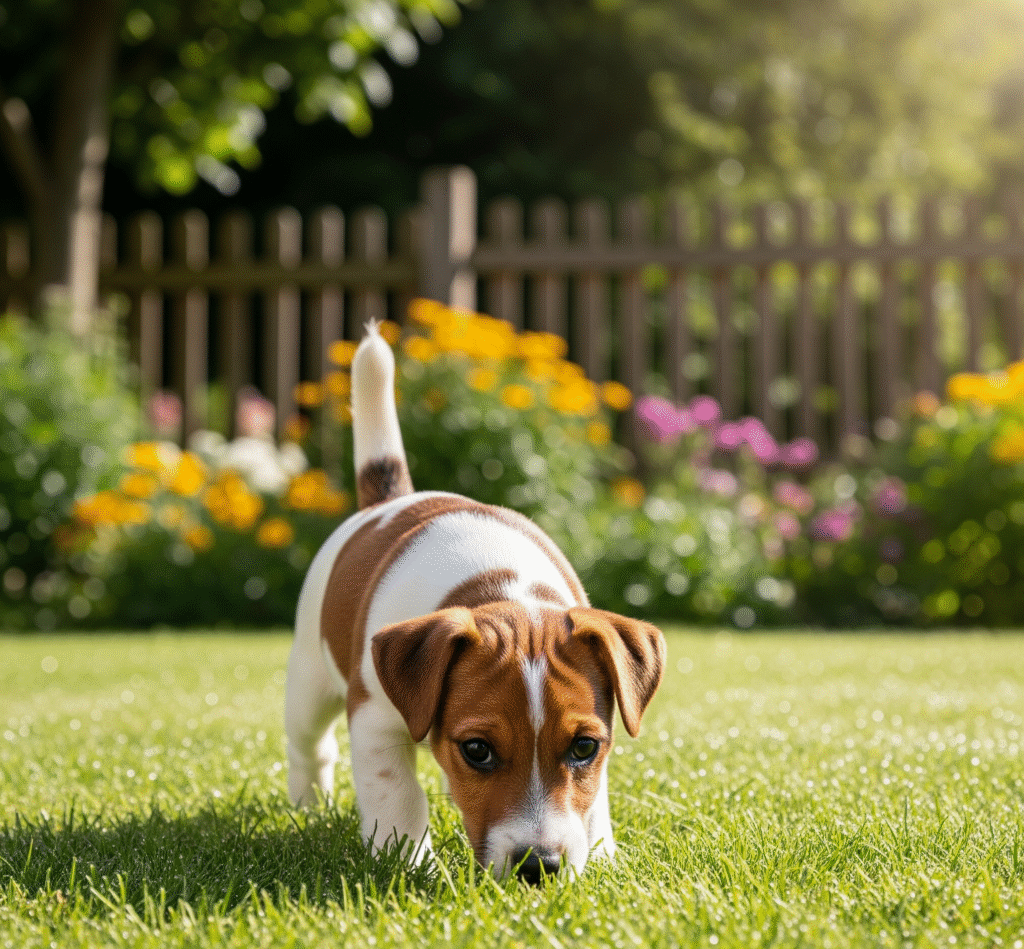
- Sniffing the ground
- Circling or pacing
- Whining or barking
- Suddenly walking away from play
- Sitting by the door (if they understand where to go)
🕒 Step 1: Create a Potty Schedule
Consistency is key. Puppies have tiny bladders and need to go frequently.
✅ Take your puppy out:
- First thing in the morning
- After every nap
- After eating or drinking
- After playtime
- Before bedtime
- Every 1–2 hours during the day (especially when young)
A predictable routine helps your puppy learn faster.
📍 Step 2: Choose a Designated Potty Spot
Always take your puppy to the same spot. The scent cues them that this is the right place to go.
➕ Pro Tip:
Use a verbal cue like “Go potty” or “Do your business” as they start to go. Over time, this will signal them to eliminate on command.
🎉 Step 3: Reward Immediately
The magic formula? Praise + Treat + Timing.
The moment your puppy finishes going potty in the right spot:
- Say “Yes!” or “Good potty!” in a happy tone
- Give a high-value treat (tiny and tasty)
- Follow up with gentle praise and play
This reinforces the behavior instantly.
🚫 Step 4: Supervise Indoors
If you can’t watch them closely, use:
- A crate (sized so they can stand, turn, and lie down—but not so big that they can potty in a corner)
- Baby gates to keep them in one area
- Leash them to you inside the home (also called “umbilical training”)
This prevents sneaky accidents.
🧹 Step 5: Handle Accidents Calmly
Accidents are part of the process. When they happen:
- Clean thoroughly with an enzyme cleaner to remove the smell. (Regular cleaners won’t stop repeat accidents.)
- Avoid punishment. It can create fear and confusion, slowing down progress.
⏳ Step 6: Gradually Extend Freedom
Once your puppy consistently potties outside:
- Extend the time between potty breaks
- Give them more access to different areas of the house
- Keep reinforcing good behavior
🚀 Bonus Tips for Faster Potty Training
- Feed on a schedule: Predictable meals mean predictable potty times.
- Limit water before bedtime: Remove water 2 hours before sleep (unless it’s hot or your vet advises otherwise).
- Use crate training wisely: Dogs instinctively avoid soiling where they sleep.
- Night-time potty breaks: Puppies under 12 weeks often need one. Gradually, this disappears as they grow.
🐾 How Long Does Potty Training Take?
Most puppies are mostly potty trained by 4–6 months, but it depends on:
- Breed size (small dogs have smaller bladders)
- Your consistency
- Your puppy’s unique learning pace
Full reliability can take up to a year, especially for tiny breeds.
🏆 Final Thoughts
Potty training your puppy fast and effectively is completely possible with patience, consistency, and positive reinforcement. Remember—every accident is a learning opportunity, not a failure. Stick with the routine, celebrate the wins, and you’ll have a fully potty-trained pup before you know it!